


Hawler Medical University Researcher Recognized Among the World’s Top 2% Scientists for the Third Consecutive Year
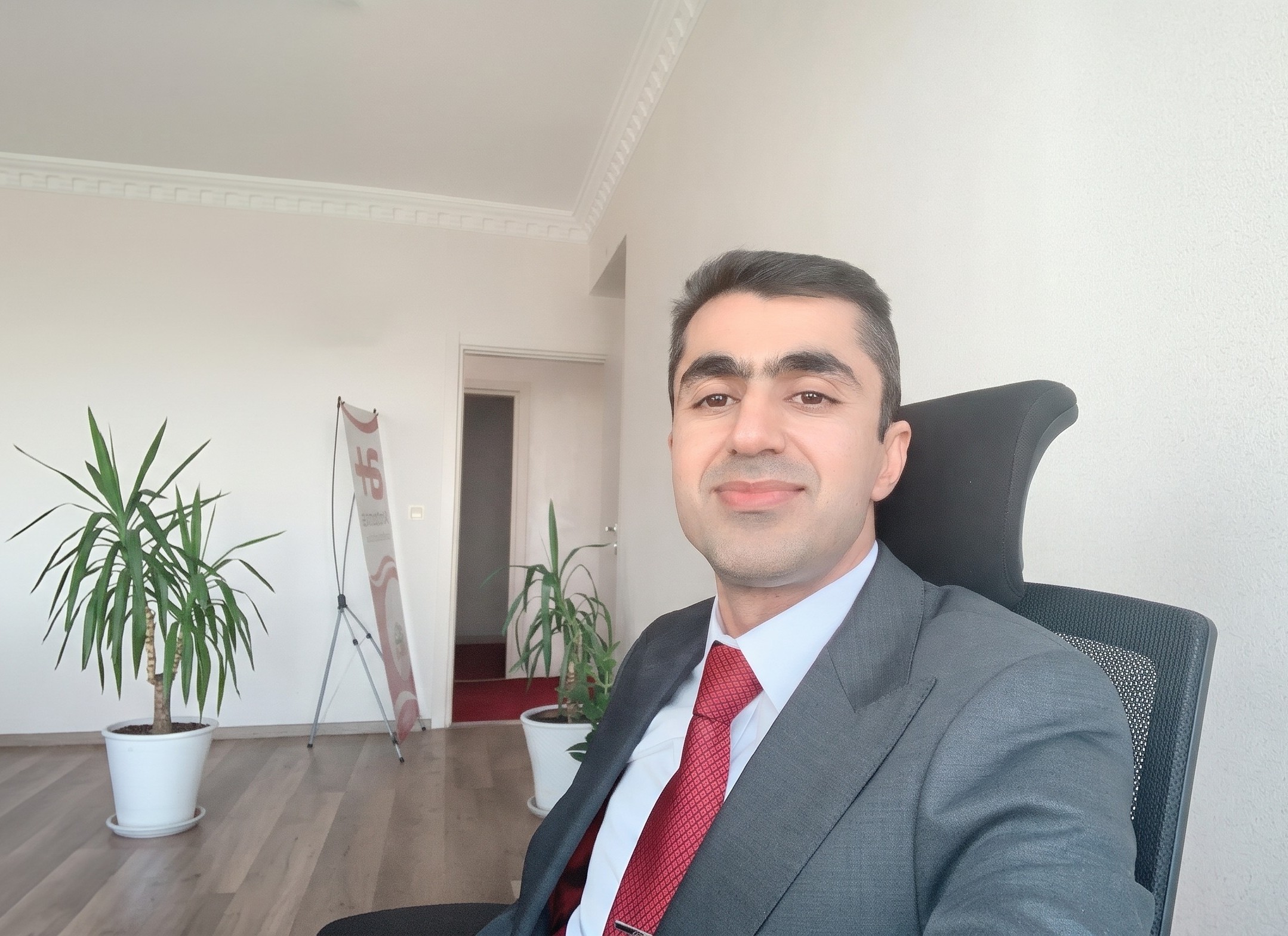
In a significant international scientific achievement, Asst. Prof. Dr. Bashdar Mahmud Hussen, a faculty member at Hawler Medical University, has been recognized among the World’s Top 2% Scientists for the third time, reflecting the international impact of his scientific research in the field of Clinical Medicine.
This prestigious list, known as the World’s Top 2% Scientists, is based on data from the Scopus scientific database and a research methodology developed by researchers at Stanford University. It is published annually through Elsevier. The ranking considers several indicators of scientific impact, including the number of citations, h-index, composite citation score (c-score), and authorship contributions to scientific publications.
According to the reported Google Scholar data, Dr. Bashdar Mahmud Hussen's research publications have received 7,425 citations, with an h-index of 43. Furthermore, based on the university's Google Scholar records, he achieved the highest citation count among researchers at Hawler Medical University during 2023, 2024, 2025, and 2026, demonstrating the continued recognition and impact of his scientific contributions.
This international recognition reflects his dedication, continuous efforts, and valuable contributions to scientific research. It also strengthens the academic reputation and international visibility of Hawler Medical University. His achievement serves as an inspiration to young researchers and encourages further scientific collaboration, high-quality research, and the advancement of medical knowledge.
We extend our warmest congratulations and sincere appreciation to Asst. Prof. Dr. Bashdar Mahmud Hussen on this outstanding international scientific achievement. His continued dedication to research and valuable contributions to medical science are a source of pride for Hawler Medical University and the academic community of the Kurdistan Region. We wish him continued success, further scientific achievements, and more opportunities to inspire future generations of researchers.
Sources: Stanford/Elsevier Top-Cited Scientists Database, 2026 (based on Scopus data); Google Scholar.
 Iraq, Kurdistan Region,