


Title: Ramadan Fasting and the Endocrine system: Clinical Perspective
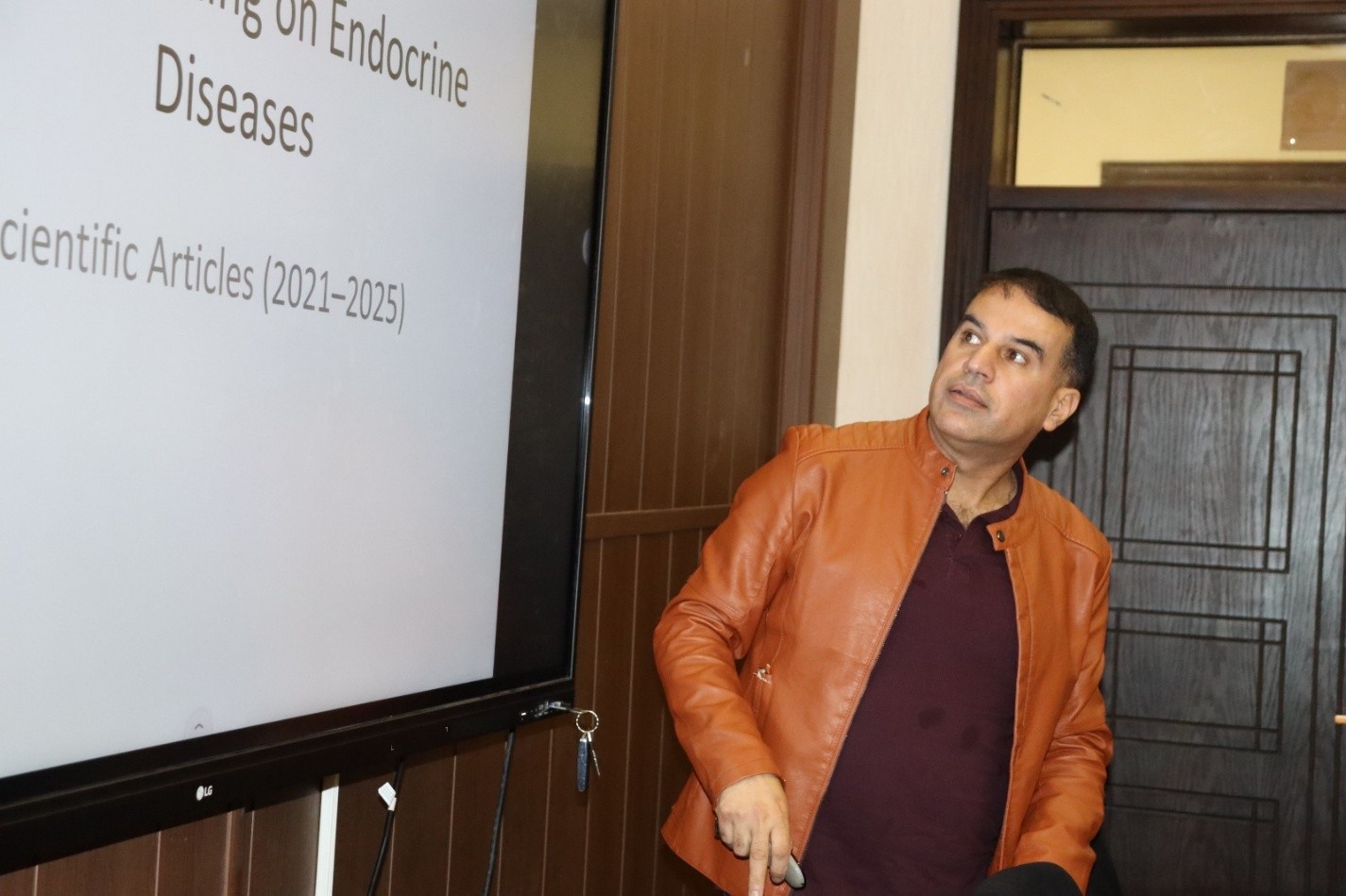
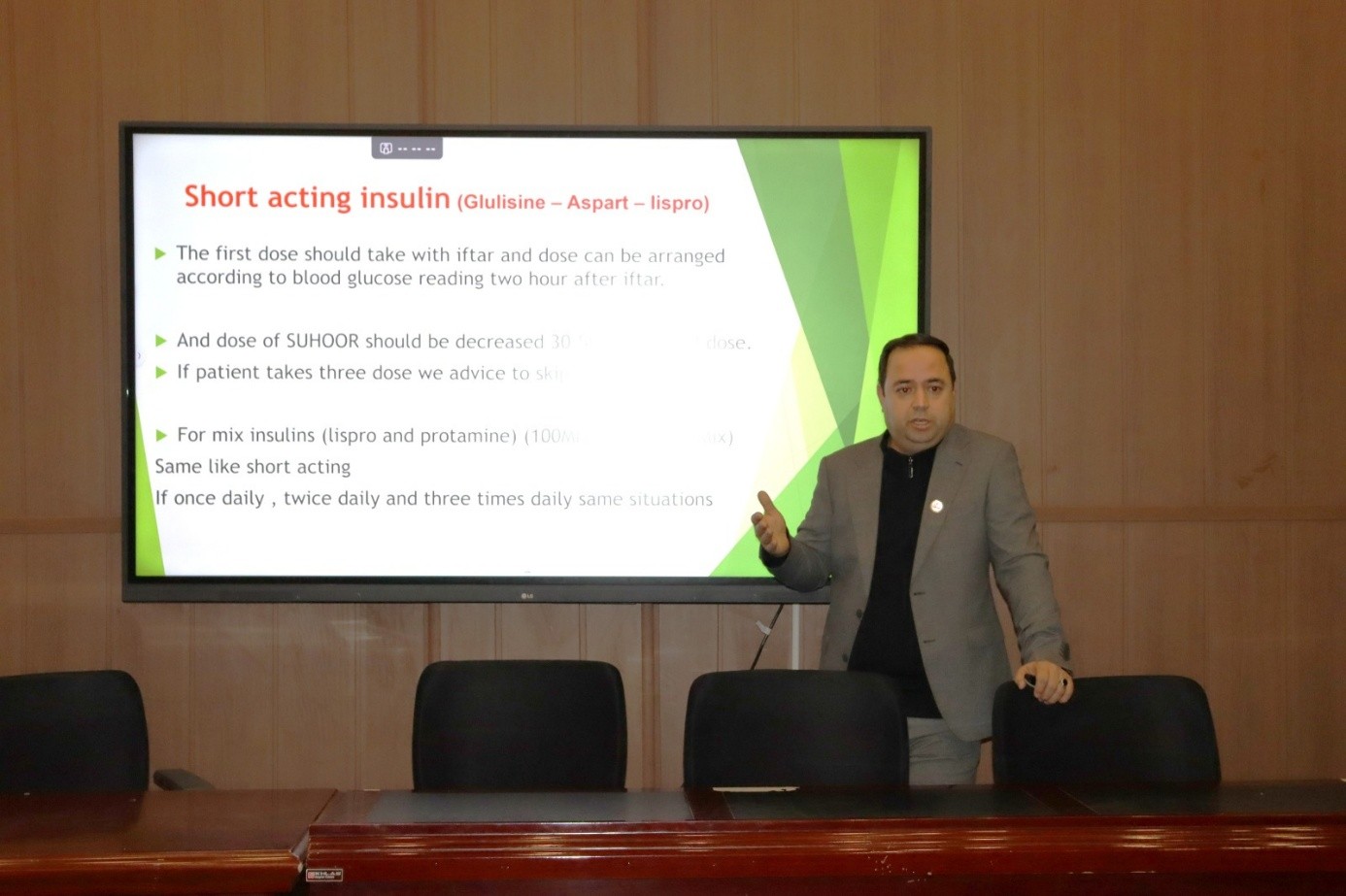
Summary description in the English Language: The goal of scientific research from a clinical perspective, Ramadan intermittent fasting (RIF) induces adaptive changes in the endocrine system that are generally well-tolerated in healthy individuals, with studies showing no significant alterations in thyroid, gonadal, or calcium-regulating hormones. However, the hypothalamic-pituitary-adrenal (HPA) axis experiences a notable disruption in circadian rhythm, evidenced by decreased morning cortisol levels. The most pronounced clinical benefits appear in metabolic and inflammatory profiles, where fasting typically improves lipid panels, reduces pro-inflammatory markers, and enhances antioxidant status, thereby lowering cardiometabolic risk. Despite these benefits in healthy populations, the clinical perspective shifts when managing patients with endocrine disorders, particularly diabetes. For these individuals, structured pre-Ramadan risk assessment and patient education are critical to mitigate the primary risks of hypoglycemia and hyperglycemia, with tools like the IDF-DAR risk stratification proving effective in predicting adverse events and guiding safe fasting practices.
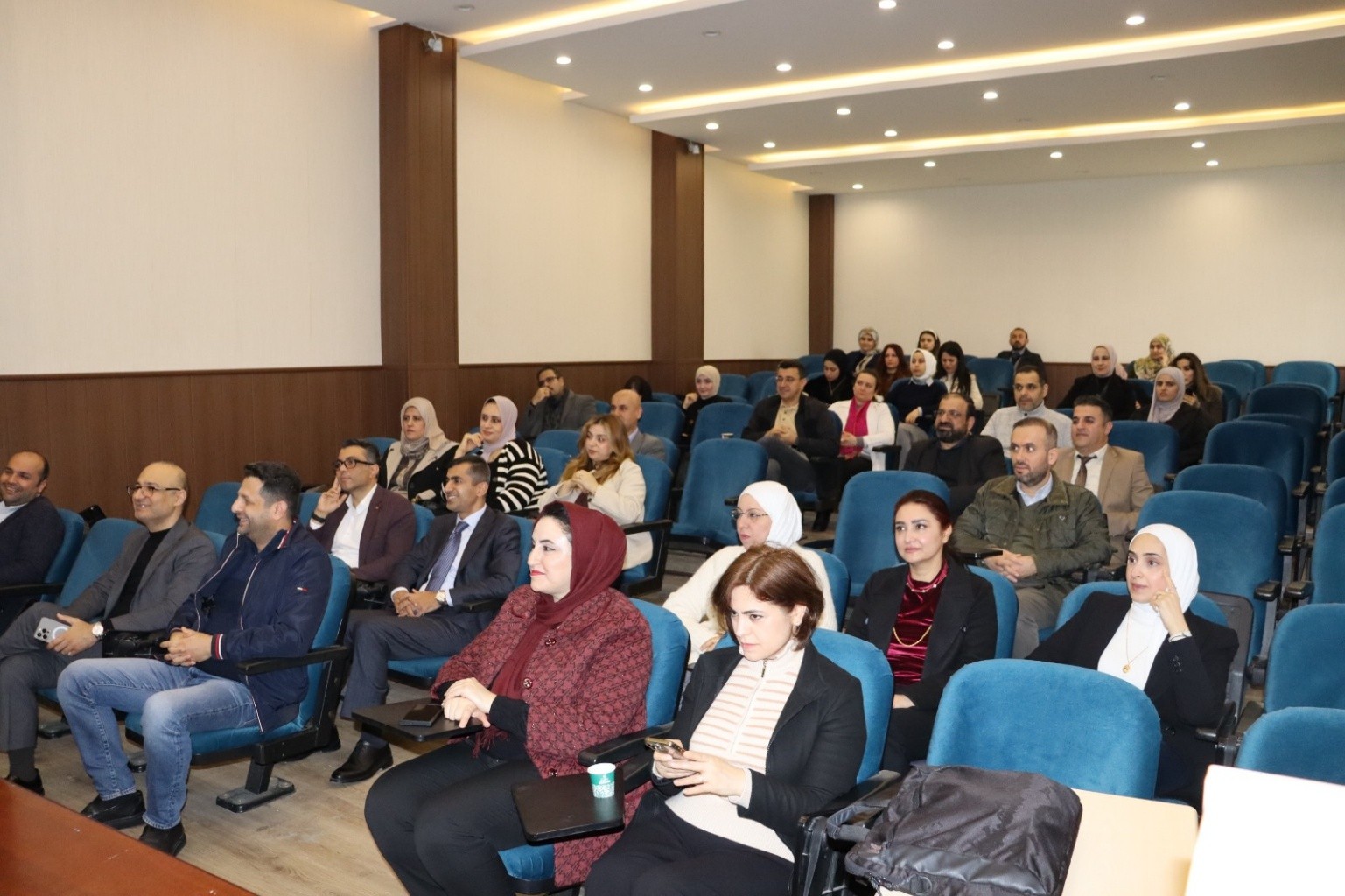
Type of activity: Workshop
Presenter/s: Dr.Mohammed Merza+ Dr.Bootan Abdulqader
Qualification: Assist.Prof.+ Lecturer
Affiliation: Pharmacy College/ Hawler Medical University
Audience: Academician
Venue: College of Pharmacy
No. of Participants: 47
Day: Tuesday
Date: 10/2/2025
 Iraq, Kurdistan Region,