Title: Broken Heart Syndrome (Takotsubo Cardiomyopathy)
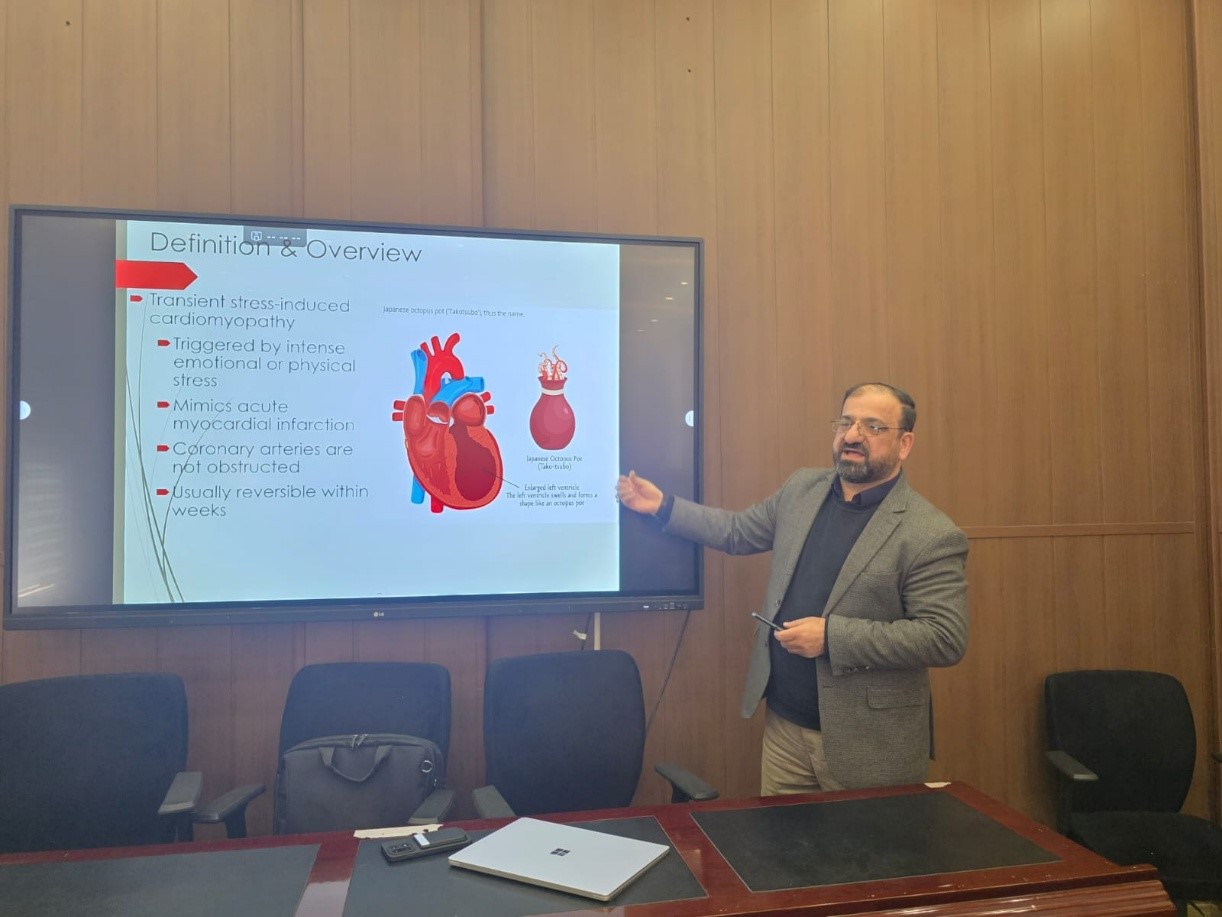
Summary description in the English Language: The goal of scientific research broken heart syndrome, or takotsubo cardiomyopathy, is an acute and reversible heart condition typically triggered by extreme emotional or physical stress, such as grief or surprise. Unlike a heart attack, it is not caused by blocked coronary arteries but rather by a massive surge of stress hormones like adrenaline that temporarily "stuns" the heart muscle. This stunning causes the left ventricle to weaken and balloon into a distinctive shape resembling a Japanese octopus trap, leading to symptoms that closely mimic a myocardial infarction—including chest pain, ECG changes, and elevated cardiac enzymes. Diagnosis is often confirmed in the catheterization lab when no arterial blockages are found, and the characteristic ventricular ballooning is observed. While the acute phase carries serious risks such as heart failure or arrhythmias, the condition is typically reversible, with most patients recovering full heart function within weeks. It predominantly affects postmenopausal women and is now recognized as a critical differential diagnosis in acute coronary syndrome, particularly when a stressful trigger is involved.
Type of activity: Workshop
Presenter/s: Dr.Sherzad Khorsheed Rashid
Qualification: Assist.Prof.+ Lecturer
Affiliation: Pharmacy College/ Hawler Medical University
Audience: Academician
Venue: College of Pharmacy
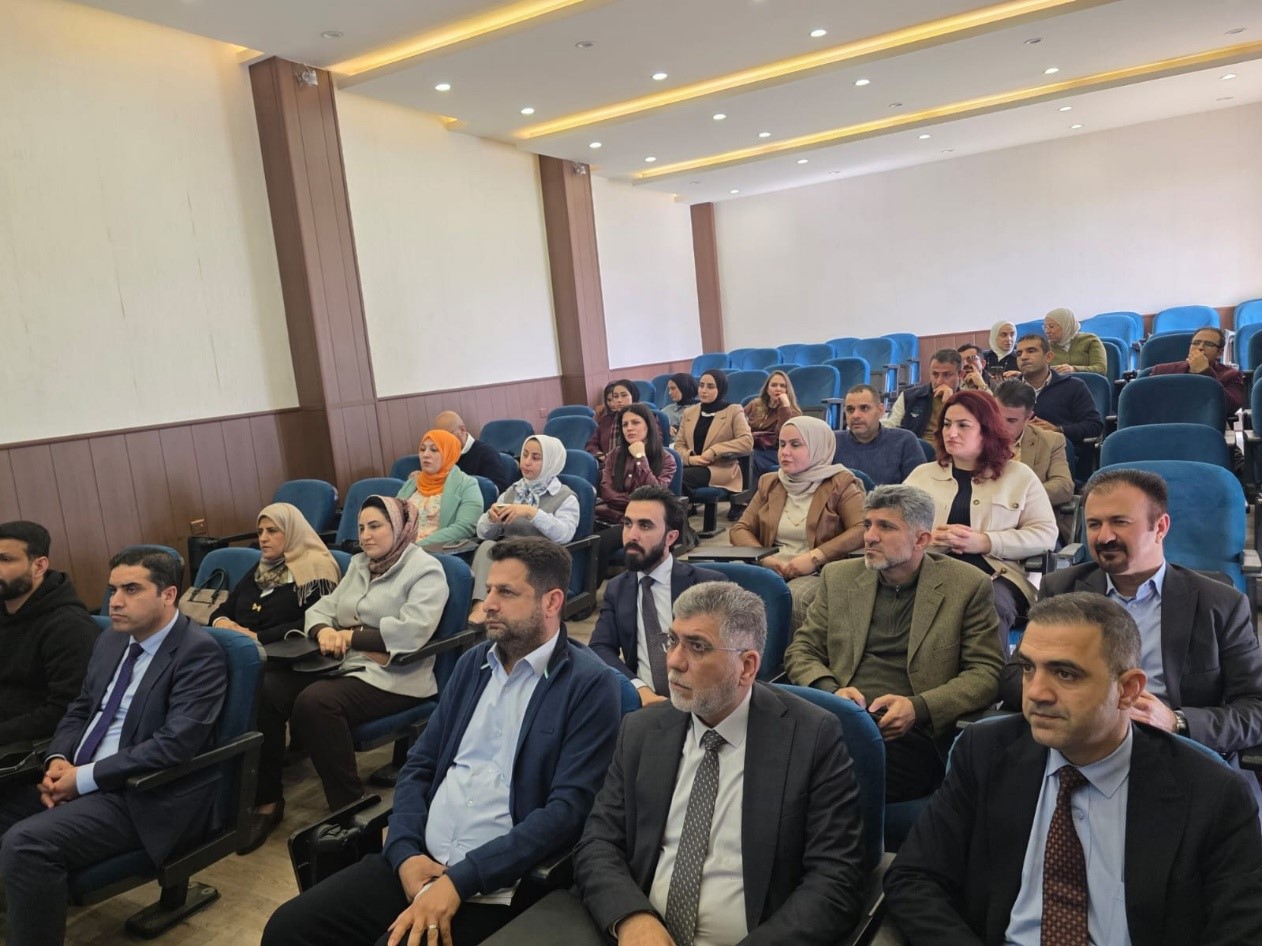
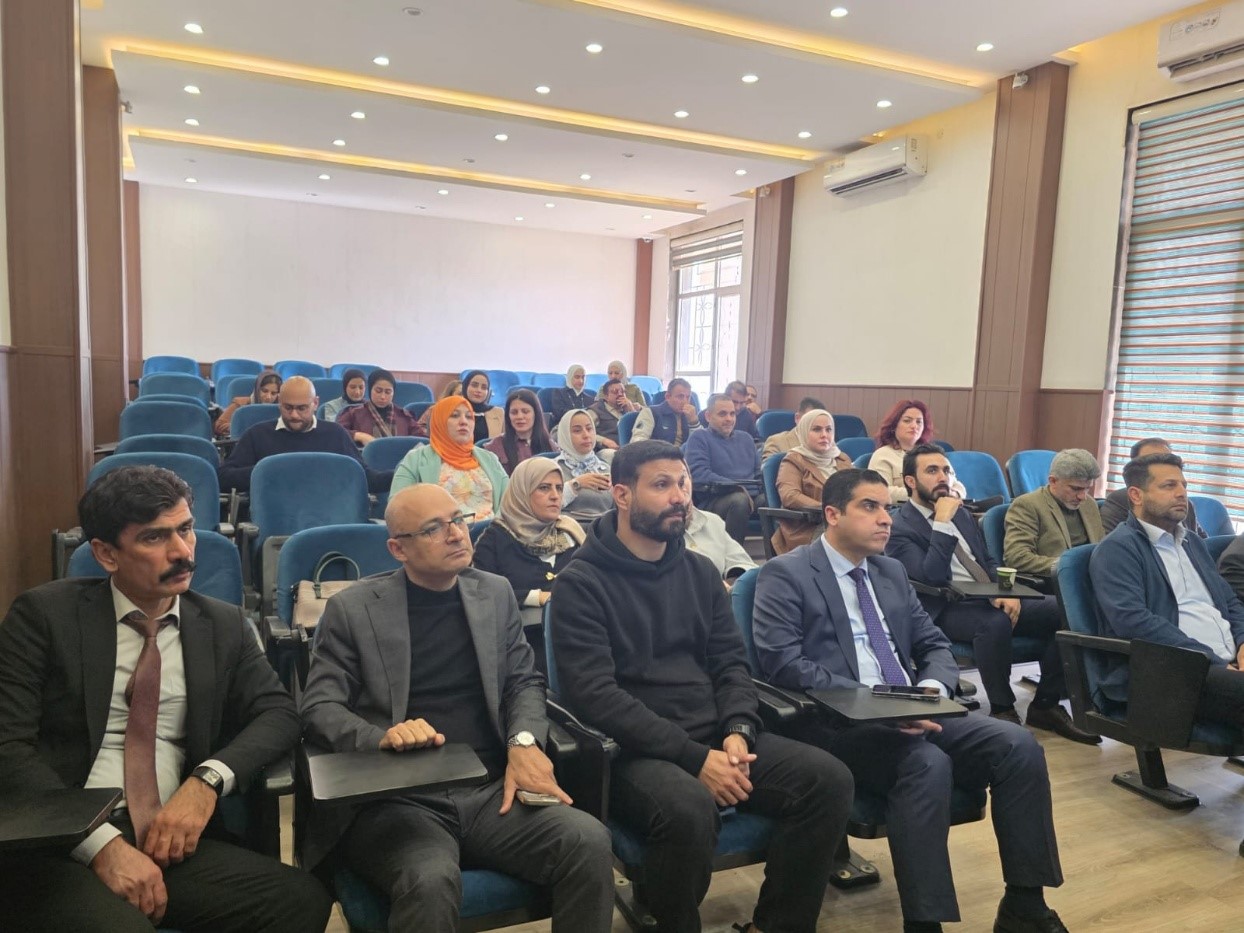
No. of Participants: 40
Day: Tuesday
Date: 15/2/2025
Time: 10 A.M.